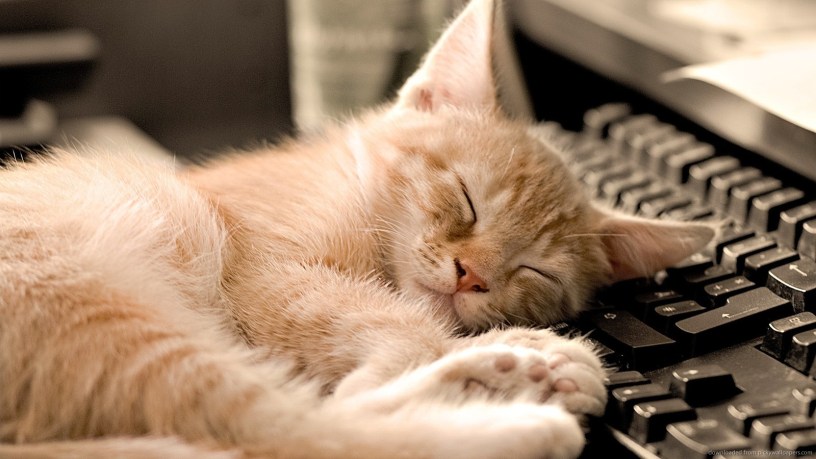
Let me state up front: I DON’T NAP. I need to get that out of the way right off the bat. If this essay is viewed by some as a paean to slothful habits, I want to make sure they know that I don’t partake. Almost never. Maybe twice a year. Tops. It always seems so important that, if the subject of naps ever comes up, everybody over the age of 6 always makes sure to broadcast the fact that they do not nap.
Why do we “protest too much” on the subject of naps? What are we hiding? It’s funny, but if anyone ever takes a nap and you ask them when they get up, “How was your nap?” the answer is always, “Great. Really needed that.” Did you ever ask someone how was their nap and were told, “Awful”? Nope. Naps are a little like massages (and some other things) – even a bad one is great. But, yet, we don’t nap and, even if we did nap, we’d never admit that we nap. What would they think? Naps are for losers. I think it comes from when we were kids. You really, really didn’t want to be the last in your age group still taking a nap. Those kids are all working in the Trump administration now. You never live down being the last napper.
There’s been a lot of research done on naps. Of course, there has. The results are pretty unequivocal that naps are beneficial to your mental and physical well being. 85% of mammalian species are polyphasic sleepers. (That’s just a little fact for your next dinner party. Throw that in and watch the conversation take off!!) Man is one of the few species that is biphasic, but there is little evidence that sleeping only at night should be our natural state. It may be more culturally derived. Mid-day naps are associated with increased brain function, including memory and creativity. Naps decrease stress and are also linked to decreased cardiovascular disease. Strangely, naps seemed to also be associated with increased will power.
You may be interested in what defines a healthy nap (or you may have already stopped reading this post). Sleep researchers say that some people enjoy all nap benefits with as little as 20 minutes a day while others need up to an hour. They actually recommend that you try different durations and see which time length leaves you feeling most refreshed. That may be more involved than you want to get into all of this nap business. I know it would be for me. Christ, it’s just a nap.
A few years ago, napping started to seep into our work culture. Many of the new Silicon Valley firms have “nap rooms” for their employees and they seem to be a big recruiting advantage. Also, many other companies and government agencies have employees that “work” at home. That policy is certainly increasing both sleeping late in the morning and napping throughout the day. Productivity and responsibility may plummet, but our workers will be well rested and with improved will power.
So, is napping for you? It might be. Many famous, productive people were diligent nappers. Churchill and Kennedy are 2 that come to mind. Einstein is probably the most famous of all nappers. He did all right for himself. Question is, though, what role did napping play in that hair of his? I’m afraid to say that was “nap hair” on old Albert. So, you might want to think carefully.
My advice: if you want to nap, go for it. Don’t apologize to anyone. If it comes up in conversation, be proud and say it clearly, “Yeah, I nap.” Just beware, breaking barriers is not for the faint of heart. You might not be seen as a Rosa Parks or a Martin, but you’ll be moving society forward, in your own small, but not insignificant way.
Me. Nah, I don’t nap. Too busy. Who said I napped?
 Mike's Musings
That was a great read
LikeLike