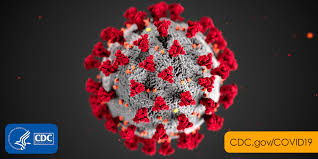
There is a lot happening under the Covid banner so far in 2021: new vaccines; rollout problems; new, more infectious strains; and public health decisions about vaccination priorities. Let’s take a quick look at some of this, but I’d like to spend a bit of time on the difficulties in determining which segments of our populations should have priority in receiving the precious shots.
New Vaccines: Well, essentially all of our vaccines are new, but the important message here is that there may soon be 3 or 4 additional vaccines on the worldwide market even after the Johnson and Johnson vaccine is approved for deployment. This is all great news. Everyone in the US is totally focused on the timeline for getting our 330 million people vaccinated (understandably), but we all need to realize that none of us is safe until the world’s population gets this virus under control. As long as there is a rich, virgin population to infect, Covid will continue to multiply and mutate and, believe me, not all of those mutations will respect our acquired immunity. In other words, unless we conquer this pandemic globally, we will be right back into this nightmare within 2 years, at best. Many effective vaccines are our only way out of this on a global scale.
New Strains: In a word – worrisome. We are now in a race to get a significant proportion of our population vaccinated before one of these Covid strains becomes the dominant virus in our population. As of now, the evidence is pretty clear that most of these variants are more infectious than the Covid that we have been dealing with so far. The evidence is also clear that many of these strains are embedded in our population already and that, for some at least, our vaccines are slightly less effective at preventing infection. All of that considered, the US is still in relatively good shape. The frightening aspect in all of this is the possible, preliminary evidence that at least one strain may be more virulent – causing worse disease – along with being more infectious. That’s the definition of a public health nightmare. No strong science on that, yet, so let’s just keep the shots going into people’s arms as quickly as possible.
Rollout Difficulties: These problems are not a surprise. Since this summer, I’ve been writing about the logistical nightmare represented by attempting to immunize a population of 300 million with a broken public health system and an incompetent federal administration. So, we’ve got problems. That’s a given. I like what we are trying to do right now and, by my calculations if J&J can produce 100 million doses by June, the US can have 66% of our population immunized by the end of June. Not bad considering how things looked on New Years Day. Hopeful!
Vaccine Priorities: Just for a moment, pretend that you are the “Vaccine Czar of America” and that you have final say as to which groups will receive vaccinations in priority order. What’s your decision? Good luck because I guarantee that I can logically refute any prioritization scheme that you develop, no matter how well intentioned. Before we begin, let’s just agree that nursing home residents and front-line health care staff get priority.
The oldest population segments receive priority? Okay, we all know the reasons for prioritizing the 65+ crowd, but they don’t represent the majority of infections nor the groups most likely to continue to spread the new strains.
18 to 49 year olds? Yes, they are the spreaders, but they are the least likely to need hospitalization and ICU care. Therefore, this group is not putting much strain on our health care system, nor are 18-49 year olds likely to die from Covid infections. Also, this segment of our population already will have the highest proportion of people with antibodies to this virus and, therefore, least in need of early vaccination.
Teachers? Right, we need to open our schools, but this group is surrounded with the segment of our population (children) least likely to spread this virus.
Pre-existing Conditions? If I were Czar, these people would be my #1 priority. Most of them are in the 18-49 year old age group and they are the most likely to utilize the health care system with hospitalization- and ICU-level complications when they become infected. The problem is that logistically these people represent a difficult group to reach and immunize without greatly slowing the overall goal of getting as many shots in as many arms in the shortest time possible.
Minorities? Whatever scheme is decided upon, focused outreach and recruitment to minority (racial and cultural) segments of our population MUST be included in the planning and implementation of the operation. That’s inherent in good public health.
My point here is that I am so tired of the criticisms of the various methods being used in the states. You can see that there are a lot of priorities. As far as I am concerned, if smart public health people sat down and set up a plan, implemented that plan, continue to review the plan as data come in, and are open to tweaking and revising their plan to increase effectiveness, then I say good for you and keep going. I am behind you and I am not going to criticize.
If Governors did the prioritization, that’s when we see inequities and ineffectiveness. Then, I say – critics have at it.
One last word on the pandemic. I believe North and South Dakota have achieved something very close to “herd immunity” without the aid of vaccinations. I base that on their number of cases and the look of their “epi curves”. Both states epi curves have the look of an outbreak that has just about run its course with a dramatic drop-off in new cases from their peaks. Also, it appears that the number of actual cases has reached, or is close to, 60-70% of the states’ populations. North Dakota reports about 100,000 cases which probably translates to approximately 500,000-550,000 actual cases of Covid for that state. With a population of just under 800,000, they are at somewhere near 65% of their population having been infected and having antibodies to Covid. I realize the radical position I am taking here. I haven’t seen any other epidemiologist make this observation, but I’m pretty sure I’m correct and supported by the data.
Personal Whimsy
I am scheduled for my first shot on Tuesday to reopen my life and I was thinking about so many things that I have missed over the past year that bring me happiness and make life worth living. This is a partial list. Some you’ll agree with and some may leave you scratching your head:
A substantive conversation with intelligent people on important topics (so rare in even the best of times)
A meal with a good friend whom I have missed and catching up on their life (the food doesn’t even matter)
Walking into the lobby of a great hotel
Coming out of my gym on a sunny morning after a hard workout, a dip in the jacuzzi, shave, and a shower ready to take on the day. God, there is nothing like that feeling! Nothing.
The anticipation, right after the plane’s wheels touch down, of what is going to happen on this trip
The moment right before your athletic competition starts
Seeing almost all of my blood relatives and their families (40+ people) at my sister’s Christmas party
A small party with people you really like and where everyone is at their perfect comfort level
Your stupid dog doing stupid things then looking back at you with a look like, “how great was that?”
Talking with my brother about something that only he and I know about from our past and just laughing our asses off until neither of us can even talk
Driving alone in a car when a great old song comes on that you haven’t heard in years and you turn it up to 11 and prove to all of those people in your life why you never really needed voice lessons
That’s it. I know those last 3 are not related to Covid deprivations, but there they are anyway.
Stay safe. Stay informed. Wear the mask. Get the shot.
 Mike's Musings