Perhaps the most iconic line in American theater is spoken by Linda Loman as she is discussing the gradual wearing down by life of her husband, Willie Loman, a small man in a big world and the protagonist of Arthur Miller’s extraordinary “Death of a Salesman”. The line, of course, is “Attention must be paid”. The world must pay attention to what is happening to this man. That very line was brought to my mind, in a totally different context, when I was following the crisis in Cape Town, South Africa.
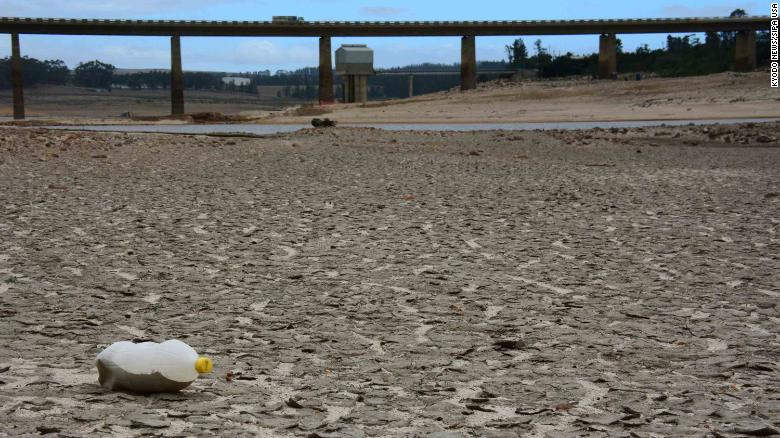
For those of you who are not aware, Cape Town is running out of water. It is a horrifying fact that a very complex situation can be accurately summarized that simply. They are almost out of water. A modern, relatively wealthy city of 4 million people will probably run out of water by mid-July. The first major city in the world to run out of water.
Cape Town even has a term for what they are facing – Day Zero. Day Zero is the day when the municipality will be forced to turn off the taps to the homes and businesses of 4 million people because their 6 huge reservoirs will have been bled dry. And it all happened quickly. In 2014, all 6 reservoirs were full to capacity, then came 3 years of drought, the worst in over 100 years. Now, the city is out of water. Any of this sound familiar?
After Day Zero, all Cape Town residents will have to go to approximately 200 public water stations where, under cover of armed guards to limit rioting, they will be allowed to draw 25 liters of water per person per day (about 7% of the average American daily use). Each of these water stations will have to serve about 20,000 people per day. City officials have no idea how they will be able to stave off chaos under these conditions. Just imagine that situation. Day after day with no end is sight in a modern city of 4 million people.
At one point in the not too distant past, Cape Town actually was winning accolades for their water planning and conservation attempts. Twenty years ago, their officials had recognized some of the water threats posed by a growing population living in a semi-arid region. The city encouraged conservation, reduced leaks, and instituted a program to charge additional fees to large water users. However, they did not incorporate the effects of a changing climate into their water use and availability forecasts. Like so many government officials and planners around the world, they were warned, but the warnings were not taken seriously enough to alter their projections or actions. This is the result.
In the midst of the current drought, residents have been asked to voluntarily reduce their use of water to approximately 50 liters per day with the threat of Day Zero hanging over their heads. Interestingly, researchers following the social media response to these warnings and requests for voluntary limits have reported that the overwhelming response has been one of indignation. People are angry that they are being asked to conserve water and alter their lifestyle since “we pay our taxes”. Less than 50% of the population have reported meeting the voluntary limit of 50 liters, even with Armageddon hanging over their heads.
Water crises are threatening large urban areas around the globe. One in 5 Mexico City (21 million population) residents have adequate running water only a few days per month. The beautiful city of Melbourne, Australia reports that they may run out of water in less than a decade. In 2015, Sao Paulo, Brazil found itself at less than 21 days of water left in the reservoirs when life-saving rains averted the crisis. These cities are not alone. The World Wildlife Fund projects that by 2025, 2/3rds of the world’s population will face some type of water shortage.
Population concentration, waste, overwhelmed officials, inadequate infrastructure, and climate change combine to pose a “Perfect Storm” for future water crises throughout the world. Though adequate warnings have been sounded, government decision-makers have studiously ignored these calls for change. For scientist like me who have looked at these data and projections for decades now, the message to man and his societies is clear: Adapt or Die. Cape Town is just one more clear signal of impending disaster.
 Mike's Musings