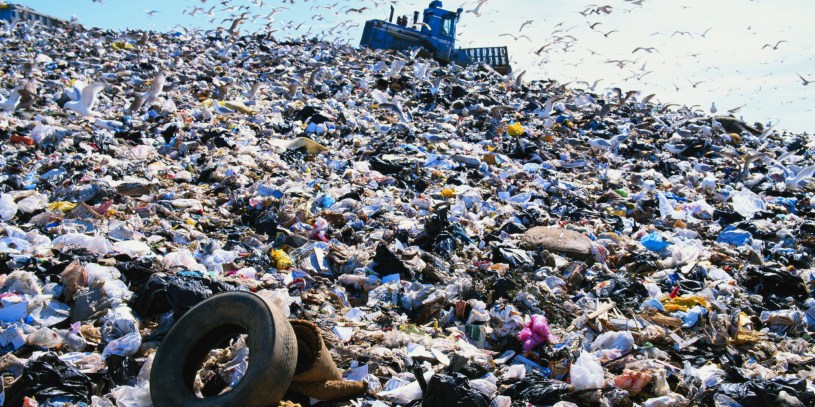
So, you recycle. Good for you. Recycling is a good thing, as things go. I recycle. As a matter of fact, we are pretty diligent in our recycling. Every couple of weeks, we drive down to the center with our presorted bins and drop off our recyclables. Just paying my dues as an environmentally-conscious progressive. Patting myself off the back so much in that paragraph, I could be a millennial. Maybe I’ll take a selfie next time I’m at the recycling center and put it on Facebook and Snapchat. I’m pretty sure people are interested in what I’m doing – all the time.
Okay, we’ve now recognized that we recycle and established our bona fides as good, good people. But, how is recycling going, as an industry and an on-going concern? Is recycling still a good thing to do? Does it have a positive impact on the environment? Are there negative aspects to recycling? Or is recycling mostly just about us feeling better about ourselves and our overwhelming volumes of waste? I was wondering the other day about these and other questions, so I did a little research and decided to share my findings with my 2 loyal readers (actually, it’s a bit more than that).
Let’s talk about the benefits of recycling. Well run recycling centers cost municipalities less to operate than waste collection and land filling. For you Trumpers, recycling creates about 1.1 million US jobs and about $37 billion in payroll. Recycling creates 4 jobs for every one in the waste management industry. Recycling diverts more than 100 million tons of material away from landfills each year. Approximately 34% of our waste stream now goes into recycling. Recycling significantly reduces our energy use, air pollution, and drinking water contamination.
Here are some mind blowing numbers: one ton of recycled newspaper saves 3000 kWh of energy, 71 gallons of oil, 60 pounds of air pollutants, 7,000 gallons of water, and 4.6 cubic yards of landfill space. Aluminum is even more impressive: one ton of aluminum recycled saves 14000 kWh of energy, 1663 gallons of oil, and 10 cubic yards of landfill space. Simply put, recycling saves for our communities and for our environment.
However, recycling is not without its’ problems, currently. As energy costs decrease, so do the benefits from recycling many products, particularly plastic. The drop in oil prices dramatically reduces the cost of producing new plastic and concomitantly reduces the incentive for manufacturers to utilize recycled plastic in their products. As the market for recycled plastic shrinks, the prices paid to recyclers can just about disappear. Decreases in energy prices, while generally considered a benefit, wreak havoc in the recycling world. The average value of a ton of recycled products from a municipal program was $180 in 2011 and has now fallen to $100 at the end of 2017.
Another recycling problem is glass. Everyone believes glass should be recycled. When recycling was first beginning to catch on in the 1970’s, glass and aluminum cans were the main staples for the programs. Glass in no longer the darling of recycling, however. Essentially, glass is worthless to recycle. You see glass is ground up into very fine particles and used in roadways and other industrial products. So, you know what finely-ground glass competes against – sand. Guess which is cheaper? There’s not only no market for recycled glass, but, because of its’ weight, glass is very expensive to transport and process for recycling programs. In fact, some municipal programs, like Chicago, have eliminated glass from their approved list of recycle products. On the positive side, corrugated cardboard is an excellent waste for recycling profits and there is this company called Amazon that uses quite a bit of that stuff. Haven’t been able to come up with much in my research, but I think that Amazon is a growing company, so maybe there will be more corrugated cardboard in the future.
Recycling is here to stay. It’s part of our culture now and, as shown above, provides significant benefits. We should all continue to recycle. The more people in a community who recycle, the less the cost, and the greater the profits for the community. But we have to recycle better. There are recyclables and then there is junk. Every time someone dumps their junk into the recycling stream, labor and machine repair costs rise. Every municipal program has a list of products that can be recycled. If it ain’t on that list, it cannot be recycled. Christmas lights aren’t on that list. Neither are garden hoses nor your metal garage shelves. Cardboard containers soiled with food (milk cartons) cannot be recycled. Nor can dirty diapers – did someone think they could? The worst offenders, by far, are plastic grocery bags. They can’t be recycled, people. Take them back to the store where you got them or better yet reuse them or better than that never get plastic bags from your grocers in the first place or best of all, work with your local environmental groups and have plastic grocery bags banned. Plastic grocery bags are bad actors. They’re like small bottles of water – the bane of our existence.
Recycling is good. Recycle often. Recycle better.
 Mike's Musings
Yeah, right… recycling is kinda like this self righteous act which people do so they can ignore the real issue of plastic consumption and production. Its like a guilt cleansing ritual for the middle class. Most of it goes to landfill anyway, and just because it ‘is’ recyclable doesn’t mean that it will ever ‘be’ recycled. Anyway, I think it re-use of anything is ultimately the better, using ‘less stuff’ and don’t use plastic or synthetics
LikeLike