I am in the process of reading a fascinating book that describes the events and pressures that caused Russia to revert to a totalitarianism form of rule after flirting with democracy for a brief period upon the demise of the Soviet Union. I originally wrote “forced Russia to revert . . ” in the first sentence, but the process wasn’t forced. There were conscious decisions made by those in power throughout that period that made the rise of Putin and his cadre of oligarchs inevitable. But this essay isn’t about any of that.
In the book, the author, Masha Gessen, floats a sociology concept of which I was unaware. This idea is that there is a gap between the governing ideology and reality in democratic governments. Some level of this gap exists in all societies and the realization of the width of the gap by the populace, and/or the elites, can give rise to a crisis in that society. Also, the contradiction between the avowed ideals and reality can be “called out”, causing social and political change. Let’s see if and how this concept applies to the most powerful democracy in the history of the world.
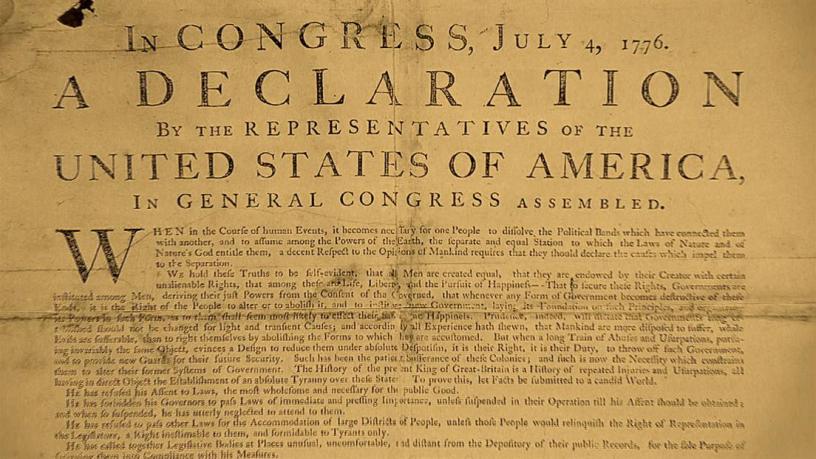
First of all, how do we define our ideology? It’s not, by the way, our constitution. I think most Americans would agree that the articulation of our ideals is found in the Declaration of Independence with the words:
We hold these truths to be self evident, that all men are created equal, that they are endowed by their creator with certain unalienable rights, that among these are life, liberty, and the pursuit of happiness.
What brilliant and beautiful words on which to base a country. However, the gap between these ideals and the reality of the United States at that time and ever since is almost comical. Except that this gap is very much not comical. Considering that Thomas Jefferson, owner of over 80 slaves at the time that he wrote these words, held the quill, it’s amazing that the parchment didn’t burst into flames.
Separate from Jefferson’s and other Founding Father’s hypocrisy, the gap between our country’s ideal of “all men are created equal. . ” and our race reality has represented the greatest on-going crisis that the United States has faced throughout our history – from slavery, through Jim Crow, “separate but equal”, glacier-like integration, suspicion and distrust, all the way to “dog whistles” and an overtly racist President.
As the sociology gap theory predicts, this dissonance between our ideals and our reality has repeatedly caused crises in the US. Our greatest crisis, the Civil War, was fought to ensure that all men would be free (not for state’s rights as some would have you believe) and to banish slavery. The civil rights battles and riots of the 60’s were to garner political and economic equality and, even more basically, for human dignity. Lawsuits and court rulings have continued up until today to ensure voting rights for minorities and the poor.
Martin Luther King and others “called out” the discrepancy between what we as a country avowed and what our reality has always been. The recognition of this gap and the attempts to bridge it caused tremendous upheaval in our society and resulted in great steps forward. However, this gap still exists – economically, politically, socially, and, most despicably, in the hearts of too many citizens of this country.
So, the march towards equality continues, as does the interest for many citizens in narrowing the gap between the beautiful expression of this country’s ideals in the Declaration of Independence and our day-to-day reality. There’s probably more crises ahead, but that’s alright. We can survive those events much better than we can survive the cancer of hatred and bigotry.
Two other points I’d like to make quickly. The first is that the dissonance that I illustrated here is the racial gap. I am well aware that I might have written the same article focusing on this society’s treatment of women and the various crises that gender gap precipitated. The second point is that any type of government, even the strongest Democracy in the world, can become totalitarian if the ideology is altered, even slightly. Really pretty fascinating how that might happen here. Maybe the subject for a future essay?
P.S. – The book is “The Future is History: How Totalitarianism Reclaimed Russia” by Masha Gessen. My daughter bought it for me for Christmas. Highly recommend it.
 Mike's Musings